Before we go into detail, lets focus about what is the key we are talking about. To building muscle, we need food contains protein. The focal point now is protein. Proteins are very important molecules that are essential for all living organisms. By dry weight, proteins are the largest unit of cells. Proteins are involved in virtually all cell functions and a different type of protein is devoted to each role, with tasks ranging from general cellular support to cell signaling and locomotion.
It is a component of every cell in your body. In fact, hair and nails are mostly made of protein.
Your body uses it to build and repair tissue.
You need it to make enzymes, hormones, and other body chemicals.
It is an important building block of bones, muscles, cartilage, skin, and blood.

Like carbohydrates and fat, protein is a “macronutrient,” meaning that you need relatively large amounts of it to stay healthy. (Vitamins and minerals, which you only need in small quantities, are called “micronutrients.”)
Unlike carbohydrates and fat, your body does not store protein, so it has no reservoir to draw from when you’re running low. Protein bars and shakes are a great way to supplement your diet to ensure you’re getting the right amount of protein.

There are many reasons why protein is important to a person’s diet.
A high-protein diet reduces hunger, helping you eat fewer calories. This is caused by the improved function of weight-regulating hormones.
Muscle is made primarily of protein. High protein intake can help you gain muscle mass and strength while reducing muscle loss during weight loss.
People who eat more protein tend to have better bone health and a much lower risk of osteoporosis and fractures as they get older.
Eating more protein may reduce cravings and desire for late-night snacking. Merely having a high-protein breakfast may have a powerful effect.
High protein intake may boost your metabolism significantly, helping you burn more calories throughout the day.
Several studies note that higher protein intake can lower blood pressure. Some studies also demonstrate improvements in other risk factors for heart disease.
Upping your protein intake can not only help you lose weight but keep it off in the long term.
While protein can cause harm to people with kidney problems, it doesn’t affect those with healthy kidneys.
Eating more protein can help you recover faster if you’ve been injured.
Eating plenty of protein can help reduce the muscle loss associated with aging.
The body uses protein to make antibodies, which are important for a strong immune system.
Protein is necessary for the production of enzymes. Enzymes are the chemicals that break down foods and enable cells to complete chemical reactions in a timely manner.
DNA/RNA synthesis is not possible without certain amino acids that make up proteins.
It is important for the repair of skin, organ and other tissues and cells, including hair. It is also important for maintaining fluid balance in the blood, and for properly functioning enzymes and hormones. In fact, enzymes and hormones ARE proteins.
Higher amounts of protein are required when a person is sick or recovering from an illness. Also, when a woman is pregnant or breastfeeding, protein requirements are increased. There is also an increased need for high quality protein when there is damage to the body cells, such as post-op recovery and healing after bones are broken.
Protein makes up 20-30% of muscle, 50% of bones, 20-30% of the liver, 30% of blood, and a substantial percentage of skin and hair.
How do I make sure I get enough protein?
Suggested protein intake depends on several individual factors. The minimum amount you need to keep from suffering malnutrition and getting sick is 0.8 grams of protein per kilogram of body weight (0.36 g/lb) according to the Recommended Dietary Allowance (RDA). However, this RDA number should be treated with caution because it was originally developed to prevent malnutrition. The amount you need to survive is different from the amount you need to be at optimal health and performance.
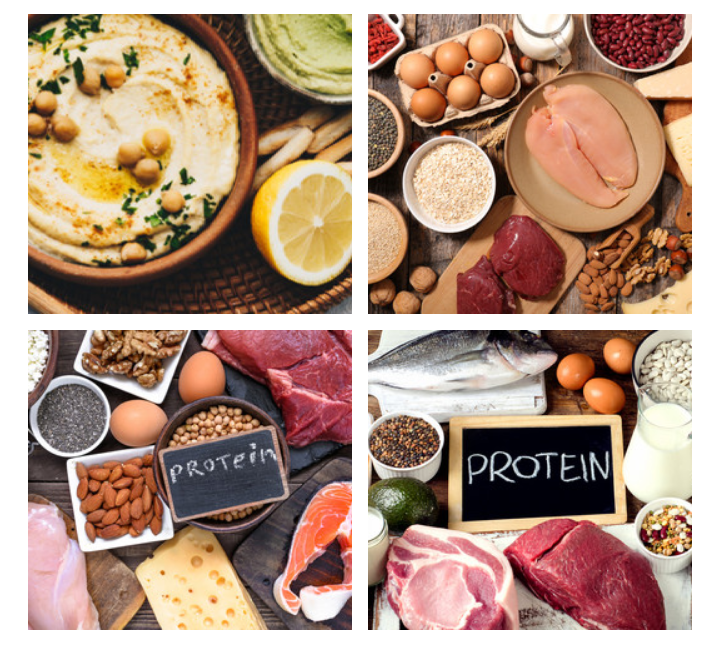
Meats, fish, poultry, eggs and milk products are good sources of complete protein and are also sources of certain minerals like iron and zinc. On the other hand, plant proteins offer up a wide array of vitamins and minerals, along with fiber and antioxidants, which you won’t find in animal foods. Plant sources are also naturally cholesterol-free, and usually low in fat. You should aim for a balance of both plant and animal proteins in your diet (unless you follow a strict vegetarian or vegan diet) to obtain the benefits of both.
The good news is, MassZymes 3.0—the world’s strongest protein-digesting enzyme for accelerated muscle-building—NOW has AstraZyme™ for even more potency and benefits.
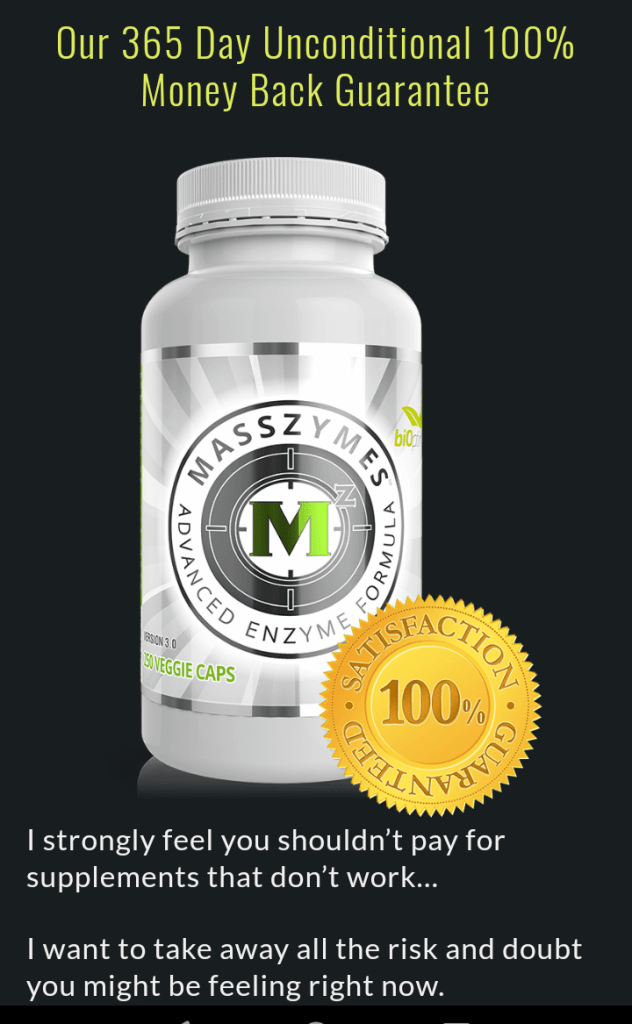
Science Has Shown Proteolytic Enzymes Speed Up Recovery…So You Can Hit The Gym Harder And Grow Faster.

 HebatPlus